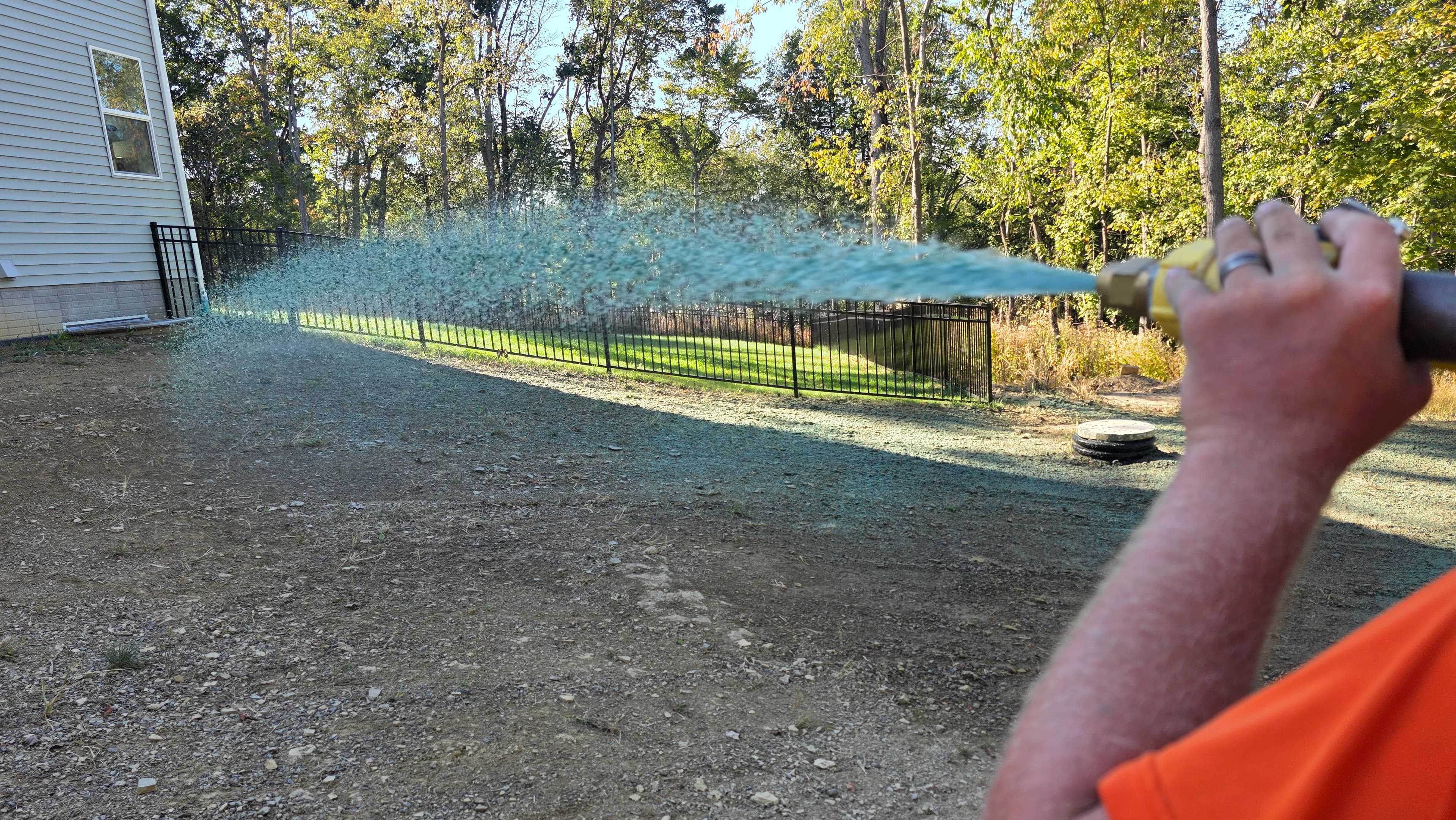
Stormwater Projects Hydroseeding
Vegetated Stormwater Infrastructure That Performs
Modern stormwater management relies heavily on vegetated infrastructure — bioretention basins, constructed wetlands, grass channels, infiltration areas, and detention ponds. These systems only work when vegetation establishes quickly, covers completely, and sustains long-term. Hydroseed Solutions provides the specialized hydroseeding these critical stormwater facilities demand.
The Challenge
Stormwater Vegetation Is Infrastructure
Vegetated stormwater facilities aren't landscaping — they're engineered water quality and flood control infrastructure. When vegetation fails, the facility fails — and permits are violated, downstream properties flood, and expensive remediation follows.
Newly constructed basins and channels are immediately exposed to concentrated stormwater flow before vegetation can establish
Wet-bottom basins and bio-retention facilities require species adapted to variable water levels — from saturated to drought conditions
PA DEP stormwater management permits require specific vegetation performance thresholds within defined establishment periods
Failed vegetation in stormwater basins requires costly regrading, soil replacement, and re-establishment — often exceeding original installation cost
Municipal MS4 permit holders must demonstrate vegetation performance in their stormwater facilities during annual inspections
Conventional seeding in stormwater facilities has high failure rates due to extreme moisture conditions and concentrated flow erosion
Our Approach
Engineered Stormwater Vegetation
Our stormwater hydroseeding program uses facility-specific seed blends, hydraulic stabilization products, and application techniques designed for the unique growing conditions within stormwater infrastructure — where conventional methods consistently fail.
Facility-Type Assessment
Different stormwater facilities demand different vegetation strategies. We assess each facility — retention basin, bio-retention cell, grass channel, infiltration area, or constructed wetland — and prescribe the appropriate seed blend and application method.
Hydrology-Matched Seed Selection
We select species based on the specific moisture regime of each facility zone. Permanently wet zones get obligate wetland species. Upper banks get upland species. Transitional areas get facultative species that tolerate both conditions.
Erosion-Resistant Application
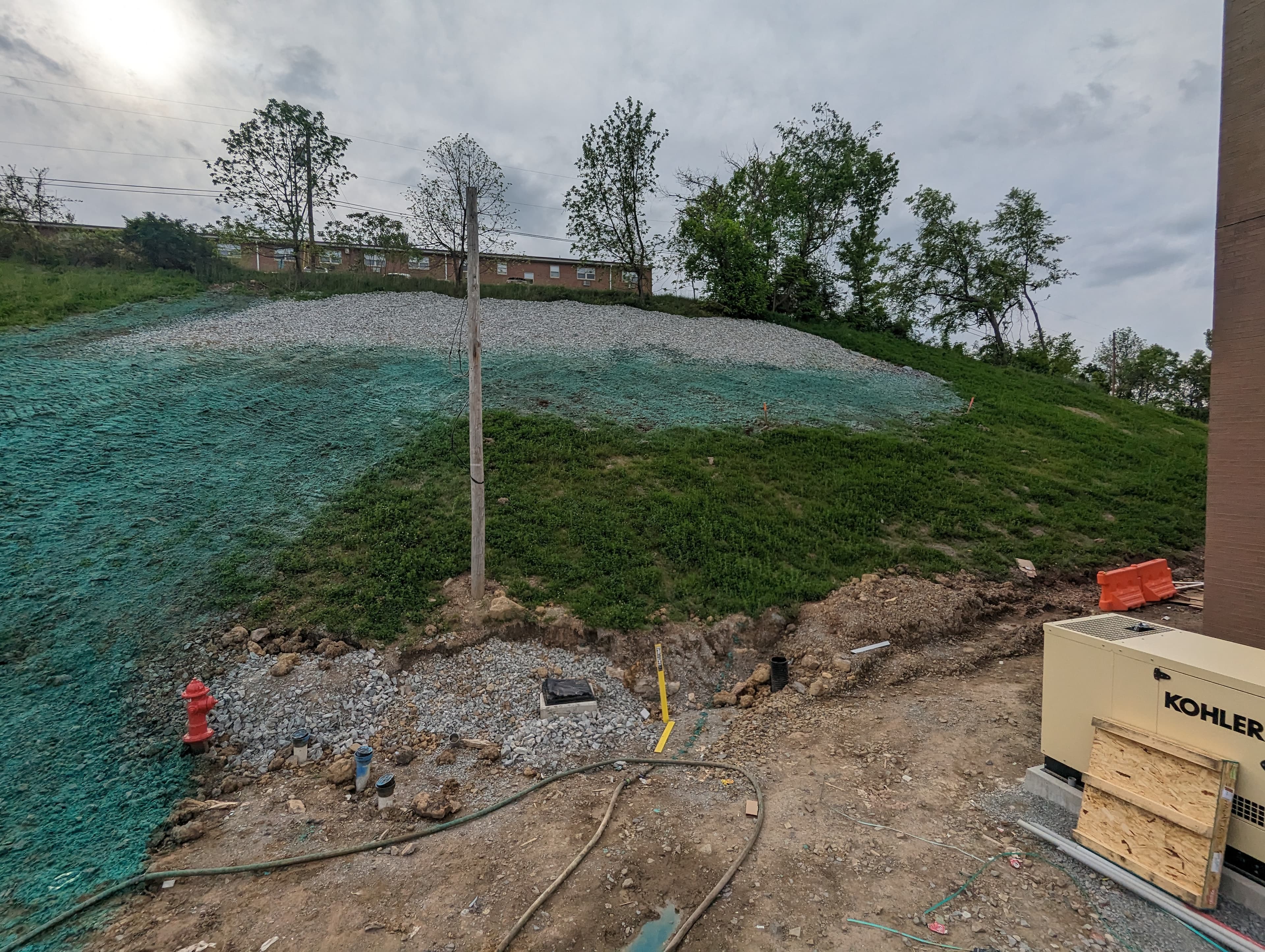
Basin floors and channel bottoms receive BFM applications that withstand the concentrated stormwater flows these facilities are designed to receive. Side slopes receive appropriate stabilization for their angle and flow exposure.
Zone-Based Application
We apply different seed mixes to different zones within each facility — wet bottom, normal pool, flood pool, side slopes, and upland buffer — exactly matching species to conditions for maximum survival and performance.
Performance Verification
We document vegetation establishment at 30, 60, and 90 days with coverage assessments and photo documentation. This information supports your stormwater permit compliance and MS4 reporting requirements.
Technical Specifications
Facility Types
Basins, channels, wetlands, bio-retention
Species Palette
50+ wetland and upland species
Basin Bottom Application
BFM at 4,000+ lbs/acre
Side Slope Application
Per slope angle and flow
Monitoring Period
30/60/90 day assessments
Compliance Standard
PA DEP Chapter 102 & MS4
Applications
Detention & Retention Basins
Complete vegetation establishment in dry detention basins, extended detention basins, and wet retention ponds — including basin floor, side slopes, and emergency spillway areas.
Bio-Retention Facilities
Specialized plantings for bio-retention cells and rain gardens, including native perennial plugs and seed for the specific engineered soil media used in these facilities.
Grass Channels & Swales
High-performance turf establishment in grass channels and swales designed to convey concentrated stormwater flow. We use reinforced turf species and BFM to resist scour during establishment.
Constructed Wetlands
Establishment of wetland vegetation zones in constructed stormwater wetlands, including emergent, submergent, and transitional species appropriate for each water-level zone.
On the Job
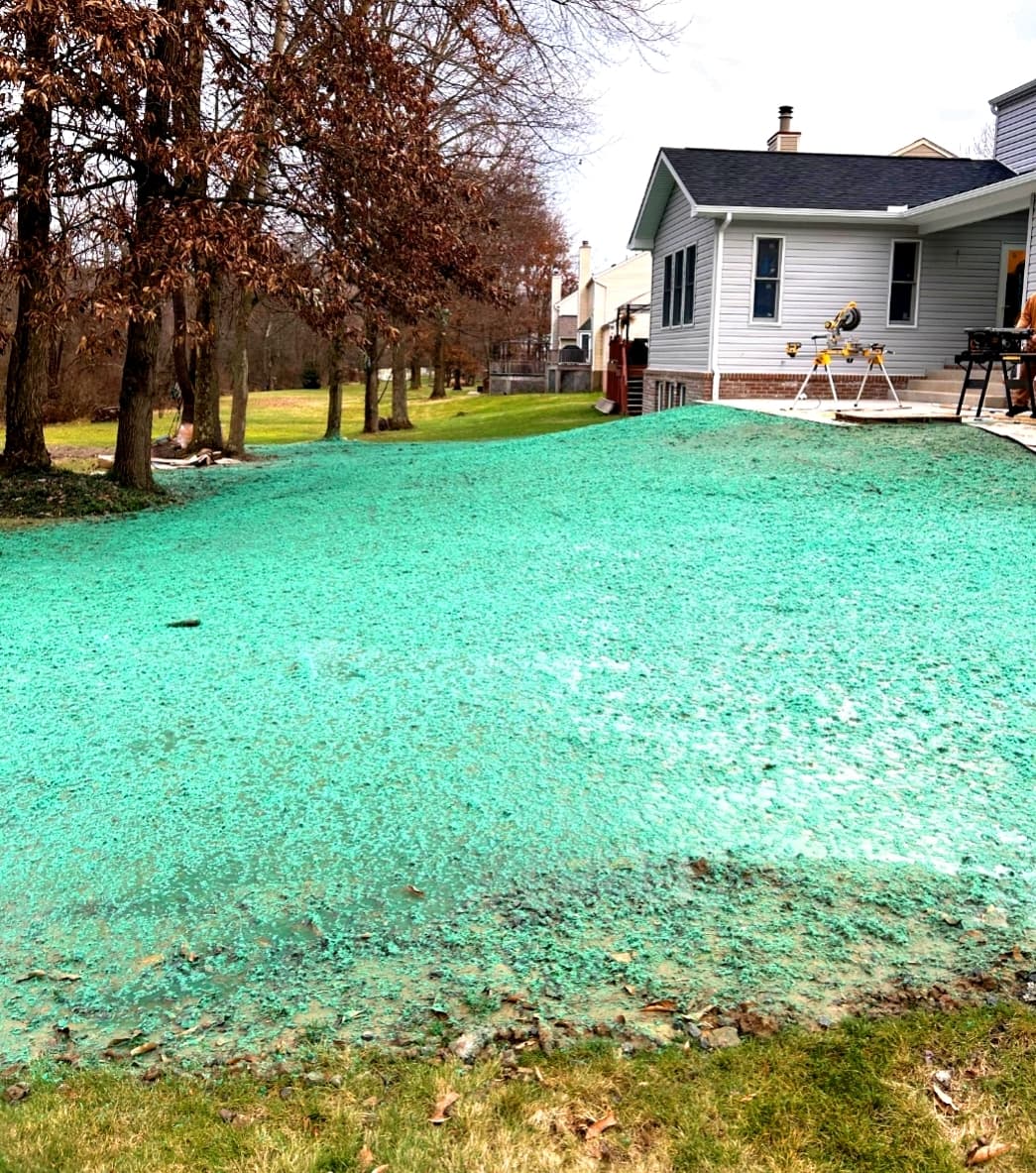
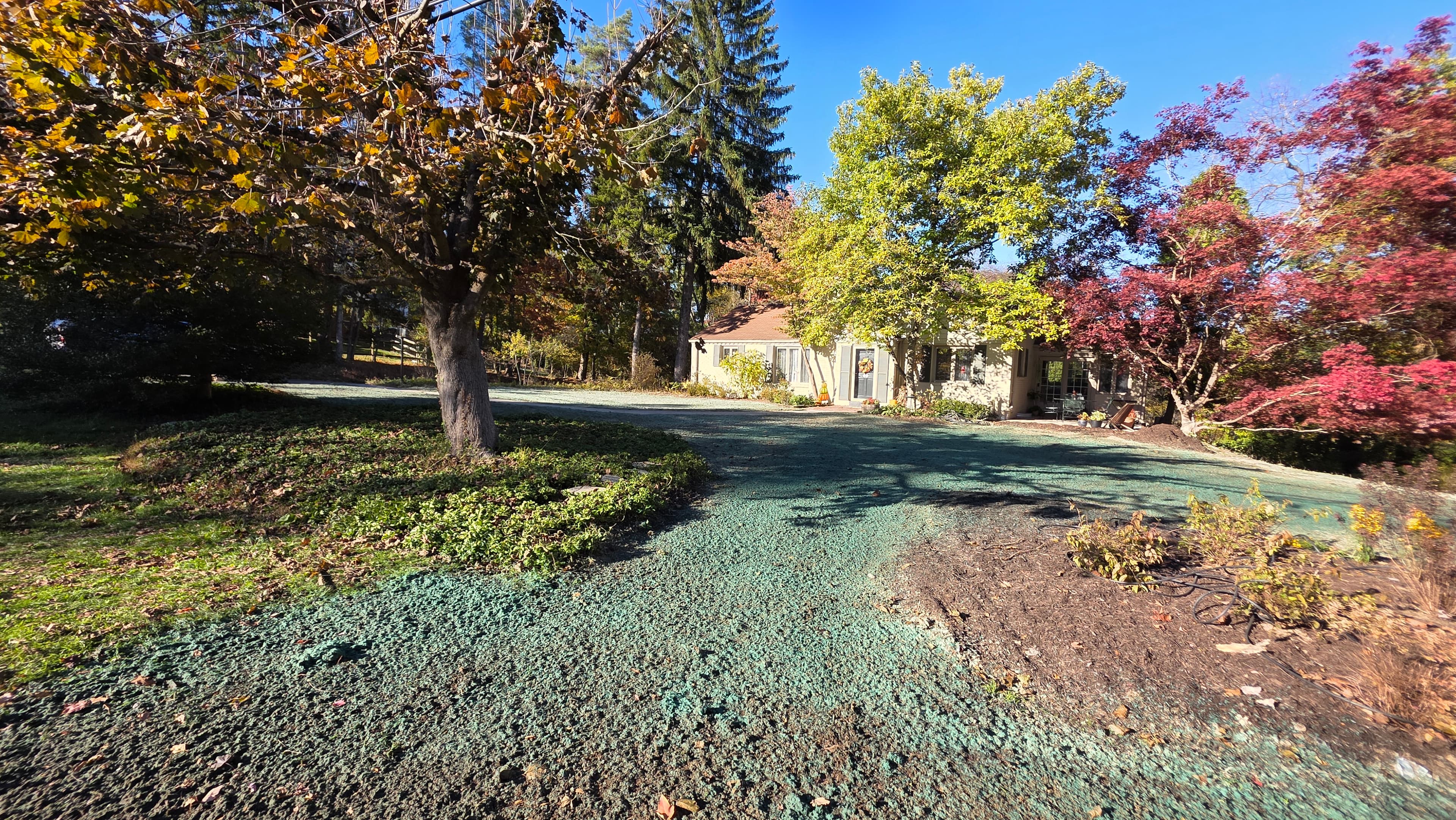
Professional stormwater projects hydroseeding across Western PA
Why Choose Hydroseed Solutions for Stormwater Projects
Stormwater-Specific Expertise
We understand the hydrology, regulatory requirements, and vegetation science specific to stormwater facilities. This isn't lawn seeding — it's engineered vegetation that must perform under extreme conditions.
Species Diversity
We stock and blend 50+ species of wetland grasses, sedges, rushes, and native perennials. Whether you need an obligate wetland seed mix or a dry upland buffer blend, we have the seed inventory and blending expertise.
MS4 Compliance Support
Municipal MS4 permit holders face annual stormwater facility inspections. Our establishment documentation and performance records directly support your compliance reporting and demonstrate due diligence.
First-Time Success Rate
Stormwater facility revegetation failures are expensive — the facility must be drained, regraded, and reseeded. Our specialized approach delivers high first-time success rates, avoiding costly redo cycles that derail budgets.
Frequently Asked Questions
Can you hydroseed in a wet or partially flooded basin?
Do you supply wetland plant plugs as well as seed?
How do you prevent seed from washing out during the first storm?
Can you meet specific native species requirements for our permit?
Stormwater Facility Needs Vegetation?
Get a facility-specific vegetation proposal — from seed selection to establishment monitoring. We'll make sure your stormwater infrastructure performs as designed.